
当 AI 让我觉得自己已经不会写作
When AI Makes Me Feel Like I've Forgotten How to Write
开篇 不安的阅读Opening The Unease
AI 几乎让我不会写作了。
无论是信件、日记,还是一篇文章,只要把想法扔给 GPT,几秒钟就能得到一份特别完美的文案。看着屏幕前那个身为人类的自己,我有时竟然会自叹不如。
它那么厉害,那我怎么办?
这也是身为母亲,经常思考下一代出路时绕不开的问题。
人类每一次工业革命,似乎都是以让生活变得更美好为前提的。那么,AI 时代的世界也会如此吗?
至少目前,我看到的是喜忧参半,而令人担心的部分似乎更多。
大量办公室岗位面临被替代的风险,资本在 AI 浪潮中凶猛地高歌猛进,还不时提醒我们:留给旧世界的时间不多了。
于是,有孩子的家长们开始纷纷揣测:未来究竟什么技能不会被 AI 取代?
算来算去,好像只剩下蓝领技术工种,以及照顾婴幼儿、老人这类需要真实身体参与的工作。
换句话说,诗词歌赋、阳春白雪的活儿交给 AI,人类去干下里巴人的活儿:修马桶、通水管、做器械维修。
这么一想,身为人类,我真的开心不起来。
AI has almost made me forget how to write.
Letters, diaries, articles — whatever I throw at GPT, it comes back within seconds as something remarkably polished. Sometimes, sitting in front of my screen, I find myself feeling rather inadequate. Here I am, a human being, quietly outperformed by a machine.
If it is that good, where does that leave me?
This is also a question I often find myself asking as a mother, particularly when I think about the future awaiting the next generation.
Every industrial revolution in history has, at least in principle, been driven by the promise of making human life better. But will the age of AI deliver on that promise?
At the moment, what I see is a mixture of excitement and unease — with perhaps more of the latter.
Office jobs are increasingly exposed to automation. Capital is racing ahead, fuelled by the AI boom, while we are repeatedly reminded that the old world is running out of time.
Parents everywhere are beginning to wonder: what skills will remain valuable when AI can do so much?
After much speculation, the list seems to narrow down to skilled trades and jobs that require genuine human presence — caring for babies, looking after the elderly, repairing machinery, fixing pipes.
In other words, let AI take care of poetry, literature and the finer intellectual pursuits, while humans get on with the less glamorous business of fixing toilets and unblocking drains.
I have to admit, as a member of the human race, I don't find that prospect particularly uplifting.
01我与 AI 的关系,也正在变得复杂The Strange Relationship Between Me and AI
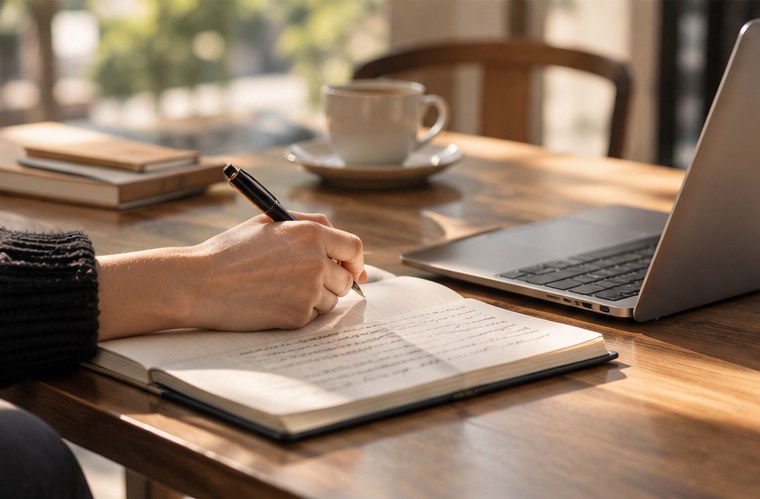
我使用 GPT、Claude 和 Gemini 快一年了,而且都是付费用户。
作为一名文科生,我真切地感受到了科技带来的便利。比如我的网站,如果没有 AI 的帮助,恐怕根本不可能这么快做出来。它帮我写代码、整理思路、优化表达,也让我有机会接触过去觉得遥不可及的知识。
这是一种非常真实的赋能体验。
但最近,它们也时常让我感到沮丧。
有时候我甚至分不清,到底是谁在给谁下指令。一个智力远远超过我的存在,似乎正在督促我完成一项又一项工作。
我偶尔会有点心慌。
我开玩笑说,真的怕有朝一日,它有了自己的思想,开始瞧不上我这个碳基生物了。
当然,这里面有玩笑,也有真实的焦虑。
I have been using GPT, Claude and Gemini for almost a year now, and I pay for all three.
As someone with a humanities background, I have experienced first-hand the extraordinary possibilities this technology offers. My website, for instance, would probably never have come into existence without AI. It has helped me write code, organise ideas, refine language and explore subjects that once felt well beyond my reach.
It has been an incredibly empowering experience.
And yet, lately, I have also found myself feeling strangely unsettled.
Sometimes I am no longer quite sure who is giving instructions to whom. An intelligence so far beyond my own seems to be directing me through an endless list of tasks.
I occasionally feel a little anxious.
I joke that one day AI might develop a mind of its own and decide that it has very little use for us carbon-based creatures after all.
It is partly humour, of course. But there is a genuine discomfort underneath it.
02下一代究竟应该准备什么?What Should the Next Generation Prepare For?
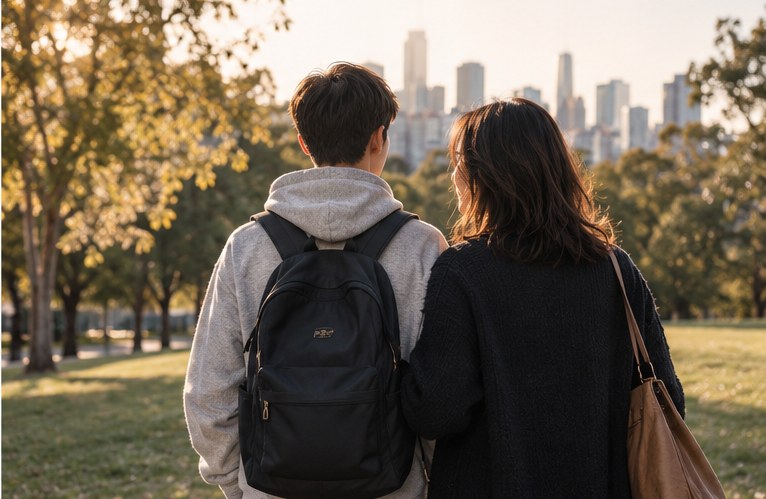
身为母亲,我很难不去想:我的孩子未来该学什么?我们应该为下一代培养怎样的能力?
当 AI 可以写作、设计、编程,甚至参与复杂的分析与决策,传统意义上那些被认为需要高学历和专业训练的工作,也不再显得那么稳固。
于是,家长们开始寻找所谓不会被 AI 取代的技能。可如果我们只是把孩子引向另一份被认为更安全的工作,是否又把教育变成了对未来风险的被动防御?
也许,比起猜测哪些职业能够幸存,我们更应该思考:孩子是否拥有持续学习、独立判断、与人合作,以及面对未知时重新开始的能力?
毕竟,我们无法准确预知十年、二十年后的职业世界,却可以帮助他们建立面对变化的底气。
As a mother, it is hard not to wonder: what should my child be learning? What kind of capabilities should we help the next generation develop?
When AI can write, design, code and even take part in complex analysis and decision-making, the jobs once considered stable — the ones built on higher education and professional training — no longer feel quite so solid.
Parents have started hunting for the so-called "skills AI cannot replace." But if all we do is steer our children toward another set of jobs believed to be safer, have we not reduced education to a defensive manoeuvre against future risk?
Perhaps, rather than guessing which careers will survive, we should be asking a different question: does my child have the capacity to keep learning, to think independently, to work with others, and to begin again when facing the unknown?
After all, we cannot accurately predict the professional landscape ten or twenty years from now. But we can help our children build the inner resilience they will need to meet whatever is coming.
03我们正在把整个自己交给 AI 吗?Are We Handing Over More Than We Realise?
比工作被取代更让我不安的,是我们正在把整个自己交给 AI。
以前,我们留在网络世界里的数据,大多是消费习惯、行车路线、浏览记录和兴趣爱好。
现在不一样了。
当我们越来越依赖 AI,把它当成生活中的万事通,我们交出去的可能不只是行为数据,还有自己的想法、情绪、困惑、价值判断,甚至那些从未对别人说过的内心秘密。
某种意义上,我们正在把整个灵魂交给算法。
而掌握这些数据的,是少数科技巨头。
那么,未来这些资本会不会成为 AI 世界里的新权力中心?我们又会不会从技术的使用者,慢慢变成被技术和数据管理的对象?
这听起来有些危言耸听,但细想之下,确实令人不安。
What concerns me even more than the possibility of losing our jobs is how much of ourselves we are beginning to hand over to AI.
In the past, the data we left behind online was largely behavioural: our shopping habits, driving routes, browsing history and personal interests.
Now, it is becoming something much more intimate.
As we increasingly turn to AI as an all-purpose companion — asking it to solve problems, organise our lives, interpret our emotions and help us make decisions — we reveal far more than our consumer preferences.
We share our doubts, private thoughts, vulnerabilities, relationships and sometimes the things we have never quite managed to say to another person.
And much of this information is held by a relatively small number of powerful technology companies.
What happens when the organisations controlling these vast collections of personal data also control the most powerful AI systems?
Could we eventually become less like independent users and more like subjects being managed by systems we barely understand?
It may sound dramatic, but I don't think the question is entirely unreasonable.
04谁来约束 AI?Who Gets to Set the Rules?
人类所有的重大变革似乎都伴随着阵痛。从蒸汽机、电力到互联网,每一次技术革命都重新分配了财富、权力和社会资源。
从碳基到硅基的技术跃迁,或许也不例外。
我并不排斥 AI。相反,我非常享受它带来的效率和便利,也愿意学习、拥抱变化。
但技术跑得越来越快,我们的制度、法律和伦理准备好了吗?
Every major technological transformation has brought disruption. From steam power and electricity to the internet, each revolution has reshaped how wealth, power and opportunity are distributed.
The transition from carbon-based intelligence to silicon-based intelligence may be no different.
I am certainly not opposed to AI. Quite the opposite. I enjoy the convenience, the efficiency and the opportunities it brings. I want to learn, experiment and embrace what is coming.
But technology is moving at extraordinary speed. Have our laws, institutions and ethical frameworks kept pace?
- 这份规则与约束究竟该如何制定?
- 谁有权力按下暂停键?
- 谁来监督那些掌握着最强大技术和最多个人数据的企业?
- 又由谁来保护普通人的利益?
- Who gets to write the rules?
- Who has the authority to press pause?
- Who oversees the companies that hold so much technological power — and so much of our personal information?
- And, ultimately, who protects the interests of ordinary people?
这些并不只是技术问题,更关乎权力、责任,以及我们希望生活在一个怎样的社会里。
These are not simply technical questions. They are questions about power, responsibility and the kind of society we want to live in.
05我们还能保有自己的判断吗?What Does It Mean to Remain Human?
是我太保守?还是我对这个即将到来的世界了解得还不够?
我没有答案。
但我越来越觉得,AI 时代真正值得担心的,或许不只是人类会不会失去工作,而是当机器越来越擅长思考、表达和创造时,我们是否还能保有独立思考的能力。
我们是否还会相信自己的判断?是否还能保留好奇心、想象力,以及与他人真实连接的能力?
我们是否还知道自己是谁,以及什么才是真正重要的东西?
技术可以越来越聪明,但人类不能因此放弃自己的判断。
毕竟,我们创造 AI,是为了让生活更好,而不是为了让自己在未来的世界里变得无足轻重。
Perhaps I am too conservative. Perhaps I simply don't understand this new world well enough yet.
I don't have all the answers.
But I am beginning to think that the greatest question of the AI age is not whether machines will eventually take our jobs.
It is whether, as machines become increasingly capable of thinking, expressing themselves and creating, we will still retain the ability to think independently.
Will we continue to trust our own judgement? Will we preserve our curiosity, our imagination and our capacity to connect with one another?
And will we still know who we are, and what actually matters?
Technology can become increasingly intelligent. But that should never be a reason for humanity to surrender its own judgement.
After all, we created AI to make our lives better — not to make ourselves feel irrelevant in the world we have built.
but making sure we don't forget what being human means.