
咖啡、契约与八百年的回响
Coffee, Covenants, and Eight-Century Echoes
开篇 一杯咖啡里的历史Opening A Quiet Afternoon in Melbourne
墨尔本的咖啡店经常是我写作与阅读的地方。
坐在雅拉河边,看着眼前的城市与河流,一杯日常的咖啡,有时会把思绪带到很远的地方。
当我重新阅读查尔斯三世在美国国会发表的演讲,看到 1215 年的《大宪章》如何在八百多年后的今天仍然留下回响,手中的咖啡突然有了不同的重量。
作为一名英语文学专业毕业生,我常常觉得文学研究从来不只是为了那张毕业文凭。它真正迷人的地方在于,它给了我们一副看世界的 "X 光眼镜":看穿历史的烟雾,看清权力的本质,也在纷繁的现实中保有自己的审美与判断。
Sitting in a cafe by the Yarra River in Melbourne, a warm, fragrant latte in hand, I breathe in the crisp, relaxed air of the Southern Hemisphere.
As I look at the coffee in my cup, I suddenly feel the heavy weight of history — knowing that the very civic DNA planted in 1215 remains vibrant and alive here on the other side of the ocean in 2026.
As a graduate of English Literature, I have always felt that studying literature is never just about getting that degree from Oxford. Its true magic lies in gifting you a pair of "X-ray glasses" — allowing you to peer through the mists of history, discern the true nature of power, and preserve your own aesthetic judgment and dignity amid the mundane noise of daily life.
but the preservation of fire."
01一场演讲,两个乔治A Tale of Two Georges
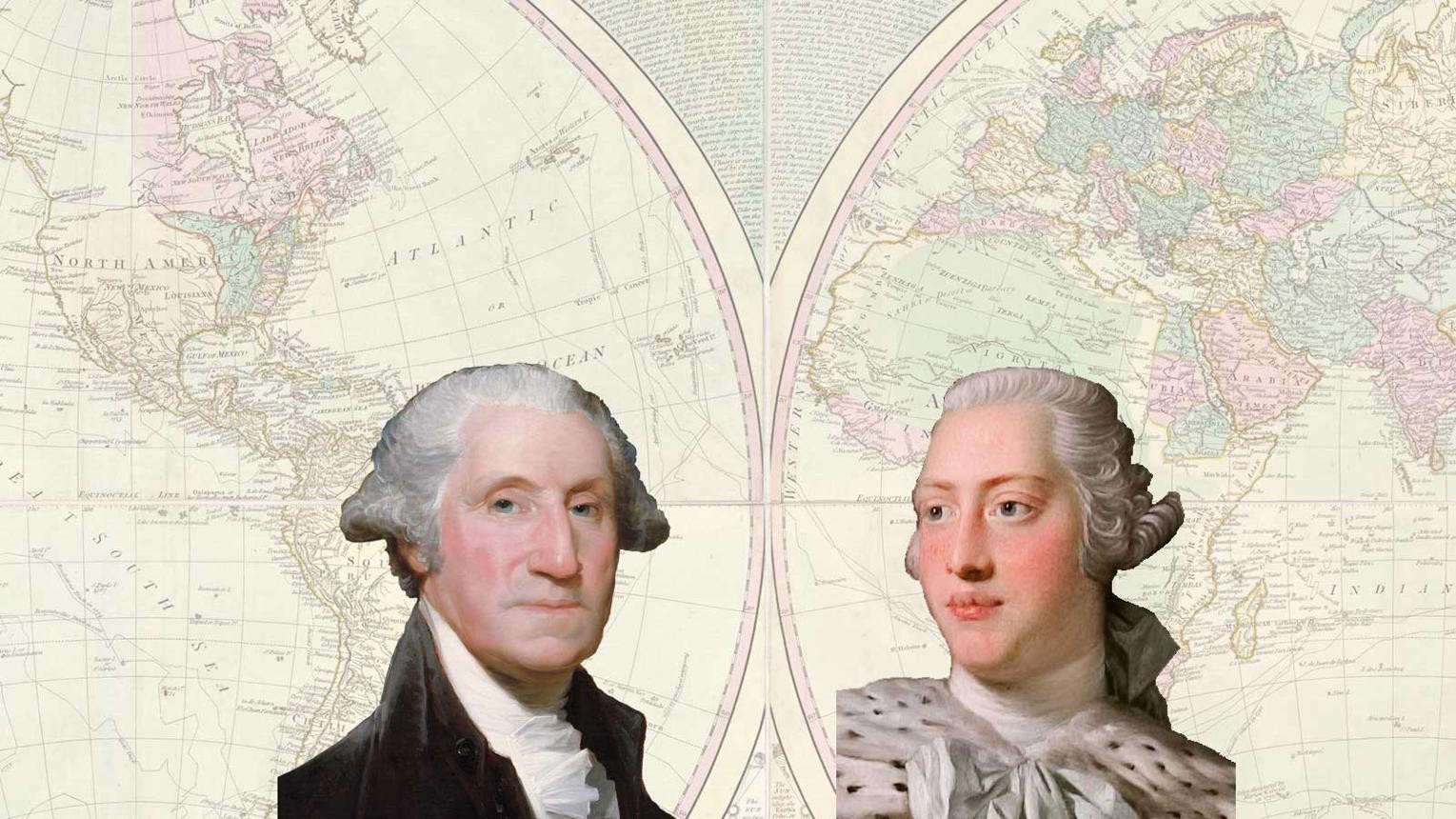
查尔斯三世于 2026 年 4 月 28 日在美国国会发表演讲。当时正值美国独立 250 周年。
演讲开篇,他引用了奥斯卡·王尔德的一句幽默:
"We have really everything in common with America nowadays except, of course, language!"
如今,我们和美国几乎什么都相同,当然,语言除外!
英国与美国共享英语,却在漫长的历史发展中形成了各自的文化与身份认同。
查尔斯还提到了两个名字相同、却站在历史不同一端的人物:美国第一任总统乔治·华盛顿,以及他的五世祖先、英国国王乔治三世。
一个是美国独立的象征,一个是当时英国王权的代表。两个乔治之间,隔着美国独立战争,也隔着一个国家从殖民地走向独立的历史。
我很喜欢这段演讲中的幽默。历史的厚重,并不妨碍语言的轻盈。一个恰到好处的典故和一句玩笑,就能让听众走近一段复杂的历史。
Recently, while reading the full text of King Charles III's address during his visit to America, I recognized an 800-year-old code of civilization woven into that elegant British rhetoric.
Charles opened with an Oscar Wilde line: "We have really everything in common with America nowadays except, of course, language!" — a joke that gently carried the weight of a complex history.
He also mentioned two men who shared a name but stood on opposite ends of history: George Washington, the first President of the United States, and his own fifth-great-grandfather, King George III of Britain — one a symbol of independence, the other of monarchy. Between them lay a revolution.
I love this kind of lightness in a historic address. A well-placed allusion, a single line of wit, can draw listeners into a complicated past without ever feeling heavy.
021215:一纸盟约的八百年回响1215 · Magna Carta and Eight Centuries of Echoes
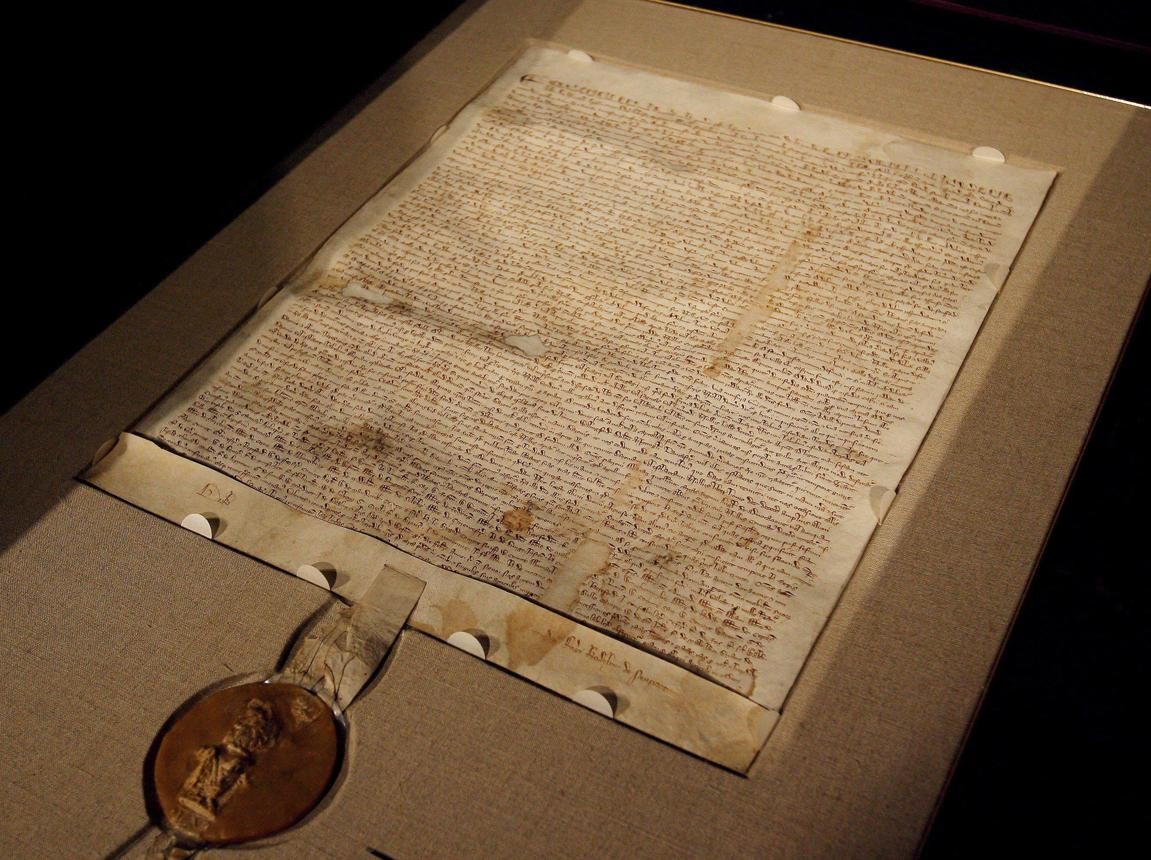
真正让我停下来反复阅读的,是演讲中关于《大宪章》(Magna Carta) 的部分。
1215 年,英国国王约翰在兰尼米德签署《大宪章》。这份文件诞生于王权与贵族之间的冲突,却逐渐成为英国宪政传统中一个重要的历史象征。
它所代表的一个重要观念是:统治者的权力也应该受到法律约束。
What truly made me pause and read again was the passage on the Magna Carta.
In 1215, King John signed the Magna Carta in a meadow at Runnymede. The document was born out of a bitter conflict between crown and nobility, yet over centuries it became a cornerstone of the British constitutional tradition — holding to one simple, radical idea: that the power of the ruler must itself be bound by the law.
"Tradition is not the worship of ashes, but the preservation of fire." When we feel exhausted by the dynamics of daily life in 2026, that grassy field at Runnymede in 1215 had already offered an enduring answer.
八百年的制度回响Eight Centuries of Institutional Echoes
-
1
1215 · Magna Carta《大宪章》签署,成为英国法治与宪政传统的重要历史象征。 The Magna Carta is signed, becoming a foundational symbol of rule of law and constitutional tradition in Britain.
-
2
1689 · English Bill of Rights英国《权利法案》,进一步确立议会与王权之间的制度关系。 The English Bill of Rights further formalises the institutional relationship between Parliament and the Crown.
-
3
1791 · US Bill of Rights美国《权利法案》成为宪法修正案的一部分。 The United States Bill of Rights is ratified as the first ten amendments to the Constitution.
-
4
Today · Rule of Law法治与权力制衡继续构成现代宪政的重要原则。 Rule of law and checks and balances remain central principles of modern constitutional governance.
Rule of Law — 法治。
没有任何权力可以凌驾于法律之上。
另一个让我印象深刻的表达是:
Checks and Balances — 权力制衡。
它指的是通过制度安排,让不同权力机构之间形成相互约束,避免权力过度集中。
一个简洁的英文词组,背后可能是一整套复杂的思想体系。这也是语言的魅力:它不仅帮助我们理解概念,也让我们看到一个社会如何经过漫长的历史,逐渐形成共识。
Rule of Law. No power stands above the law.
And then, the companion idea: Checks and Balances — institutional arrangements through which different branches of power hold one another in restraint, so that no single authority grows unchecked.
A short English phrase, often carrying an entire architecture of thought behind it. That is the quiet power of language: it does not only help us understand a concept, it lets us glimpse how a society, through long centuries, slowly reached a shared understanding.
03为什么我选择墨尔本A Society Built on Trust
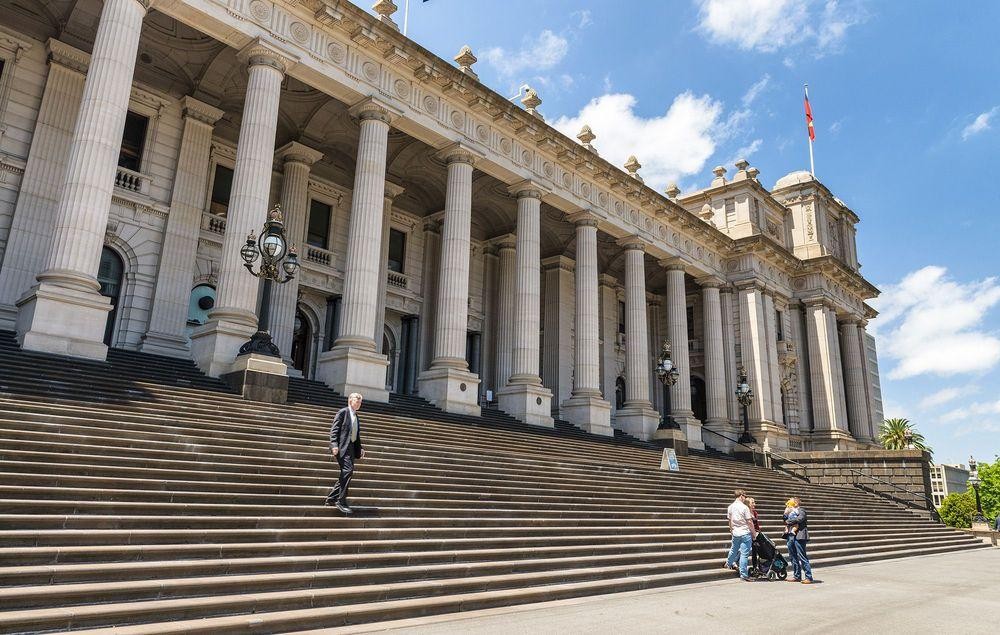
读到《大宪章》,我突然想起自己当初为什么选择墨尔本。
带孩子从上海来到澳大利亚,并不是一个轻松的决定。对于一个母亲而言,选择一个城市,不仅是在选择生活环境,也是在选择孩子未来成长的社会环境。
我一直很看重澳大利亚的英联邦背景,以及它所延续的普通法传统。
我希望孩子能够在一个重视规则、尊重契约、强调个人权利与责任的社会里成长。
我常常把这样的社会理解为一个完整的契约社会。
这里的契约,并不只是商业交易中的合同,也不仅仅是法律文件上的签字。它更是一种社会运行的基础:个人与机构之间的权利和义务,承诺需要被履行,规则需要被尊重,权力也需要受到约束。
当我坐在墨尔本的咖啡馆里,读到 1215 年的《大宪章》,再回头看自己几年前作出的选择,突然觉得这两件事之间有了一种微妙的联系。
原来,我带孩子来到这里,希望他能够生活和成长其中的某些价值观,其历史回响可以追溯到八百多年前。
当然,今天的澳大利亚社会并不是简单复制了中世纪英国的制度。八百年的历史经历了无数变化,现代社会也有自己的问题与挑战。
但我喜欢这种历史的延续感。一个社会的制度与价值观,并不是凭空产生的。它们经过一代又一代人的实践、争论、修正,最终成为今天生活的一部分。
选择一座城市,有时也是在选择一种自己希望孩子理解和参与的社会秩序。
This reverence for history and order ultimately shapes the real-world choices of my own life.
Choosing Melbourne as the educational base for my child was never only about weather, safety or schools. It was about a Commonwealth nation — a fully realized, mature contractual society, where rules, boundaries and commitments form the bedrock of daily life.
The echoes of this societal covenant can be traced back eight hundred years, to that defining moment of compromise and constitutional birth: power must always be the servant of justice, and never its master.
By raising our children in this soil, we hope they absorb not only the air of freedom, but a natural, deep-seated reverence for law, boundaries and mutual trust.
To choose a city is sometimes to choose a kind of social order you want your child to understand and take part in.
04每一种语言,都是一个世界The World Behind a Language

契约的精神不只停留在制度里,它也藏在语言本身的结构里。
一个强调"明确、可验证、可追溯"的社会,会训练出一种同样讲究明确性的语言。规则在合同里,也在句子里。
我们经常把语言理解为沟通工具,以为只要掌握了足够的词汇和语法,就能够使用另一种语言。但我越来越觉得,每一种语言背后,其实都有一套与之相连的社会文化、历史经验和表达逻辑。
中文和英文对我来说,就是两种很不一样的思维体验。
在中文世界里,我熟悉它丰富的语境、含蓄的表达和人际关系中的微妙层次。它有自己的美,也有非常复杂的情感结构。
但在英文的世界里,我常常觉得自己变得更理性,也更自在。
我喜欢英文表达中的清晰、直接和逻辑结构。一个观点可以被明确提出,一项主张可以被展开论证,不同意见也可以被放在桌面上讨论 —— 这种"允许分歧被看见"的气质,其实也是契约文化在语言层面的延伸。
在这样的语言环境里,我似乎更容易把情绪与判断分开,更清楚地表达自己的立场。
对我个人而言,英文确实提供了另一种观察自己的角度 —— 它让我发现,原来自己还可以用另一种方式思考、表达和理解世界。
The spirit of covenant does not live only in institutions. It also lives in the structure of language itself.
A society that prizes clarity, verifiability and procedure tends to produce a language with the same instincts. Rules sit inside contracts; they also sit inside sentences.
In the world of Chinese, I carry a thousand years of tenderness, subtlety and poetic restraint. Yet in the world of English, I often find myself more rational, more at ease. That ease comes from English's clear boundaries, its respect for procedural justice, the logical coherence maintained beneath its rhetorical sophistication — and from the quiet assumption that disagreement, laid openly on the table, is itself a form of civic trust.
For me, English is a kind of mental sanctuary where I can find quiet peace within a rational framework. It lets me see that there is another way to think, to speak, and to understand the world.
05DNA 里的密码Echoes in the Code

有些问题,如果 DNA 里的密码不曾重写,即便跨越八个世纪,依然会在不同的语言和时空里循环往复。
这不是一个诗意的比喻 —— 它更像一个结构性的事实。政权会更迭,法律会重写,制度会老去 —— 但一个社会深处如何处理权力、如何对待陌生人、如何划定个人与集体的边界,这些东西更像遗传密码,一代一代安静地传下来,几乎不被意识到。
一个英国人走进银行签合同、一个澳大利亚人在议会前抗议、一个美国人援引第一修正案 —— 他们未必知道自己正在履行 1215 年留下的遗产,但他们的本能里有它的形状。
我们在不同语言里感受到的自在与拘束,也可能与各自熟悉的文化逻辑有关。中文的"人情"、英文的 "rule",背后是两套关于"人和人之间如何确认信任"的文明设计。
历史并不会简单重复。但它留下的思想和结构,常常会以新的形式重新出现 —— 在另一片土地上、在另一种语言里、在另一代人的日常选择里。
If the code in the DNA is never rewritten, some fundamental questions will continue to echo across different languages and centuries.
This is not quite a poetic metaphor — it is closer to a structural fact. Regimes change, laws are rewritten, institutions age. But how a society handles power, how it treats strangers, how it draws the line between the individual and the collective — these travel more like genetic code, passed down quietly, generation after generation, almost without being noticed.
A British citizen signing a contract at a bank, an Australian protesting outside Parliament, an American invoking the First Amendment — they may not know they are enacting an inheritance that reaches back to 1215, but the instinct carries its shape.
The ease or constraint we feel in different languages is often tied to the cultural logic we have grown up inside. The Chinese sense of 人情 and the English idea of rule encode two different civilisational designs for how trust between strangers can be established.
History does not simply repeat itself. But the ideas and structures it leaves behind have a way of returning — in another land, in another language, in another generation's daily choices.
结尾 回到雅拉河边Closing Back to the River

一杯咖啡的时间,跨越了八百年的历史。
从墨尔本的一家咖啡馆,到华盛顿的国会大厦;从一段现代政治演讲,到 1215 年的兰尼米德;从一个英文词组,到八百年的思想与制度演变。
墨尔本的咖啡馆,永远是思考世界与回望内心的好地方。
在这里,我们守护着火焰,也看护着未来。
Over a simple cup of coffee, eight centuries of history quietly unfold.
From a cafe in Melbourne to the halls of the United States Congress; from a 2026 royal address to a meadow at Runnymede in 1215; from a short English phrase to eight hundred years of ideas and institutions.
A Melbourne cafe remains the perfect place to reflect on the world and to look inward.
Here, we tend to the fire — and quietly guard the future.
They wait for the right words to be rekindled.